Death and Rebirth
The Adventures of Maya the BeeDeath and Rebirth links the Flower Sprites’ natural life cycle to Maya’s growing understanding of mortality. A sprite describes death not as an end but as a passage through dew and plant life toward renewed existence; later, a dying Hornet makes that hope newly urgent by confronting Maya with an enemy’s shared fearsome condition of mortality. The idea thus moves from a beautiful account of nature to an ethical recognition shaped by loss.
The Flower Sprites’ Cycle
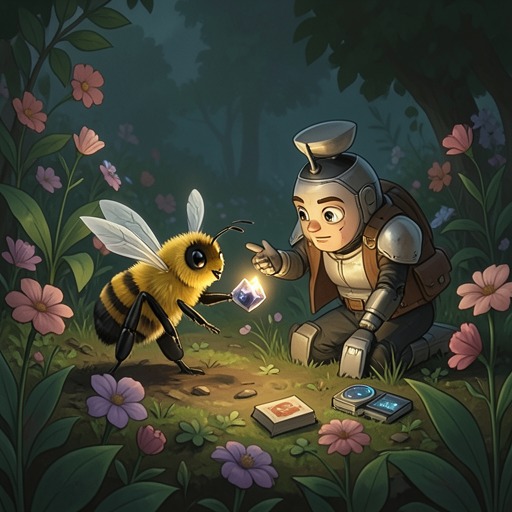
The sprite’s account begins with a choice. Flower sprites may leave their blossoms permanently because they can fulfill the dearest wish of the first creature they meet before they die. Their wings grow when they seriously resolve to leave the flower in order to make someone happy. The power to grant a wish therefore comes with a cost: the sprite’s generosity is bound to the end of its present life. Maya is moved by the possibility of making another being happy and says she would leave a flower for that purpose, not yet realizing that she is the first creature the sprite has encountered.
The sprite does not describe death as immediate extinction. Flower sprites live until dawn; when dew falls, they are drawn into delicate veils above meadow grass and flowers. As the light rises, they become droplets of dew, which plants absorb. They then contribute to the plants’ growth and flowering, from which sprites emerge again. The cycle joins individual disappearance to the continuing processes of nature: the sprite’s former body is no longer present, yet its substance participates in new life.
The sprite also says it was once another sprite, though it has forgotten that earlier existence during its sleep in the flower. Rebirth consequently brings continuity without conscious memory. The life cycle renews the being, but does not preserve a recollection of prior lives. For Maya, this is a lovely fate, though the sprite’s explanation makes clear that renewal does not erase the reality of dying.
Soul, Nature, and Hope
The sprite’s song places this cycle within a spiritual account of existence. It associates the soul with light, beauty, and grace, and describes the soul as living anew even as Death and Life change. Its imagery connects the visible renewal of flowers to a more enduring spiritual principle. The flower, dew, and returning sprite give the account a natural form, while the song’s references to Heaven and God locate that renewal within a larger sacred order.
The sprite extends the idea beyond its own kind, saying that the fate of earthly creatures is essentially similar, even where they do not awaken from flowers. This is an assertion of shared destiny, not a detailed explanation of what happens to every creature after death. Maya receives it as a hopeful possibility. When she later considers whether other beings also return to life, she does not claim certainty; she decides to believe that they do.
The sprite’s reassurance that goodness and beauty come without being earned further shapes Maya’s response. She hesitates to admit that she has a wish, feeling unworthy of the sprite’s generosity. The exchange makes the gift of renewed life part of a broader moral vision in which goodness is received rather than merited. Maya’s longing for a wish and her reluctance to claim it reveal that the sprite’s teaching is not merely an account of nature: it changes how she understands what may be given to her.
Mortality in the Battle
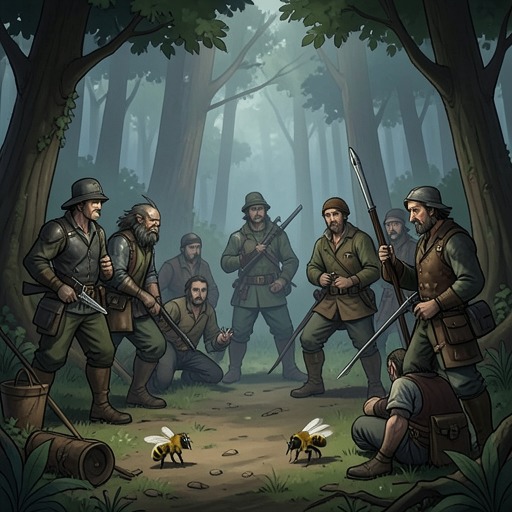
The battle between the Bees and the Hornets sets the sprite’s serene cycle against the deaths of combatants. The Bees prepare with discipline, closing ranks at the entrance and building wax partitions to slow the attackers. When the fighting begins, a young Bee officer is the first to die. His death inspires the other Bees to fight with greater intensity, while the combat leaves dead and wounded on both sides. The scene presents death as a consequence of collective defense, not as an abstraction removed from the Bees’ loyalty to their community.
The losses do not fall only on the Bees. The Hornets’ leader eventually calls his remaining fighters back, and later a dying Hornet is left outside the hive. Maya cannot answer him. His approaching death makes mortality more immediate to her than the earlier danger to her own life in a spider’s web. She wishes she could help, then watches as he takes his last breath; half an hour later, he is thrown into the grass with his dead comrades.
Maya’s Recognition
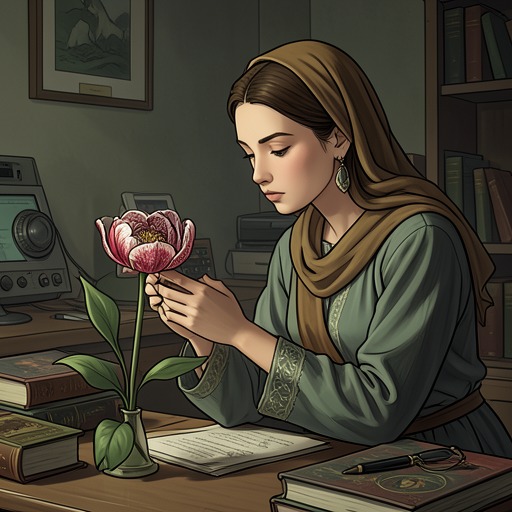
The dying Hornet changes the meaning of the enemy for Maya. She understands that the Hornets are beings like herself: they love life and must undergo a hard death without comfort. The realization does not erase the conflict between the two peoples, but it prevents her from seeing the enemy only as a threat. Her response is compassion, expressed in tears and in her helpless wish to do something for the dying creature.
Maya recalls the Flower Sprite’s teaching about rebirth when she confronts this loss. The sprite’s account now offers a possible answer to a question the battle cannot settle: whether creatures who die outside the flower cycle also return to life. Maya’s quiet decision to believe that they do is a hope, not proof. By leaving the question open, the story preserves both the weight of death and the consolation offered by natural renewal.
The two encounters give the idea its full significance. The sprite describes death from within a cycle whose visible stages lead back to new life; the battle shows Maya the suffering and finality of an individual death as she witnesses it. Between them, she moves from wonder at the beauty of renewal to an empathetic understanding that life is precious to friend and enemy alike. Rebirth becomes not a certainty Maya can demonstrate, but a belief through which she meets mortality with compassion.